Channel Letters vs Monument Signs: What’s the Difference?
Exterior business signs give local storefronts a strong presence, especially along busy commercial corridors. Adding custom channel letter signs means considering how the sign will work with your building’s facade and surrounding property. Mounting individual letters directly to the building can be an effective way to make a storefront easier to recognize.
The right sign depends on the building itself, how far it sits from the road, and the type of traffic passing by. Looking at these factors helps make sure your signage gets noticed by the people you want to reach. Good visibility can also make it easier for customers to identify your business and find the entrance.
What Are Channel Letter Signs?
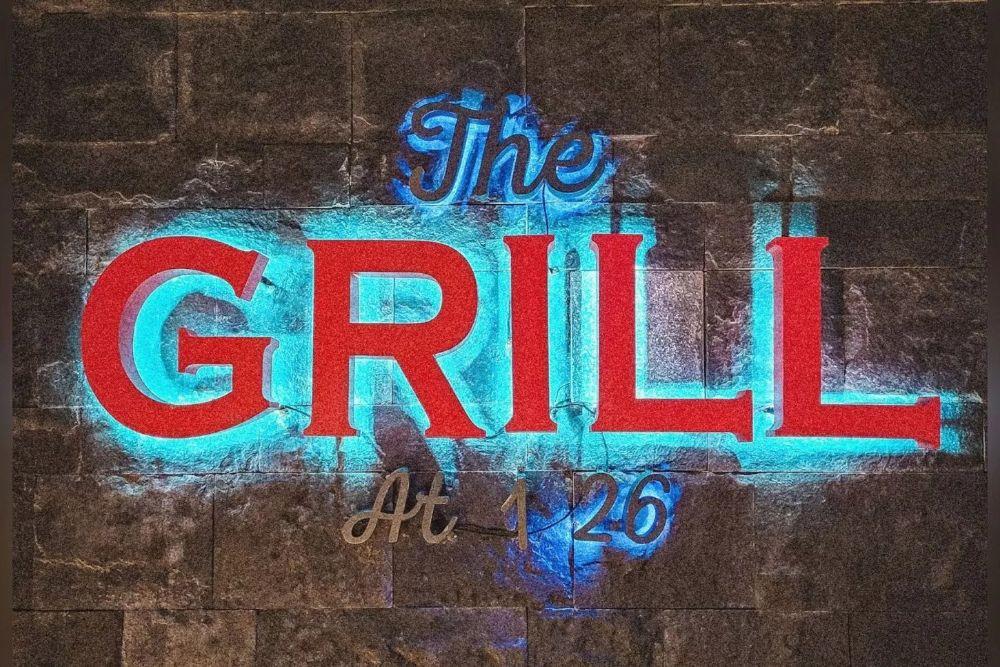
Channel letter signs are three-dimensional letters, numbers, or logos made individually from durable materials. Each element is mounted to the building facade, raceway, or wireway to display your business name. Front-lit and halo-lit options provide distinct ways to illuminate the letters using translucent acrylic or other suitable materials.
Installing channel letter signs on an exterior wall ties your branding directly to your storefront. Raising the letters above eye level can also help motorists and pedestrians spot the business from farther away along the road. Since each letter is fabricated separately, the design can closely match your company's fonts, colors, and logo.
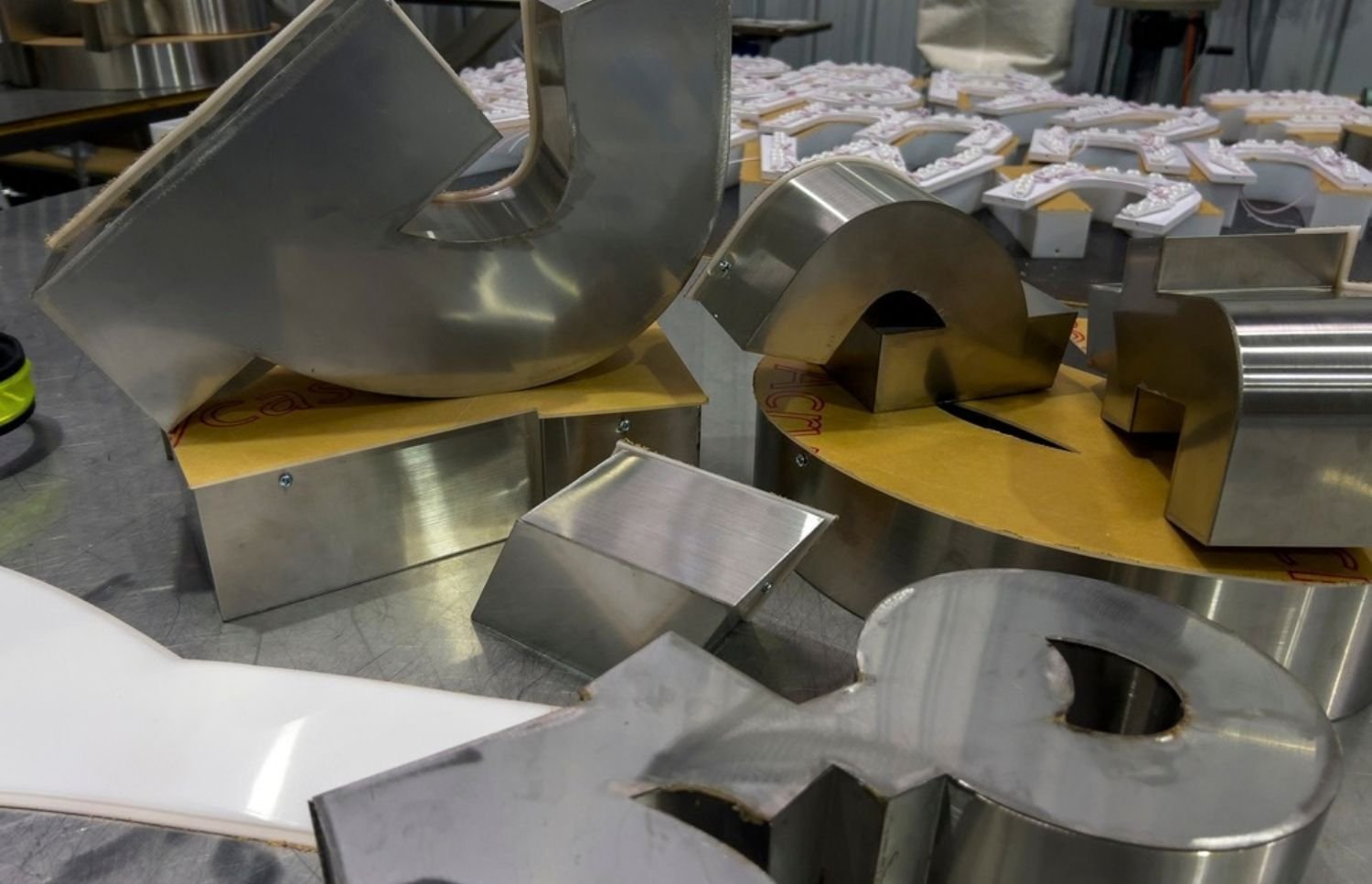
High-impact visual communication directly affects local customer foot traffic. Well-mounted channel letter signs can strengthen a business's presence and help direct customers toward the main entrance. They can also give plain masonry, glass, or metal walls a more distinctive branded appearance.
What Are Monument Signs?
Monument signs are low-profile structures installed near the edge of a property. They can be built with materials such as brick, poured concrete, or aluminum to create a substantial entrance feature. For multi-tenant properties, integrated cabinets can display several business names where drivers can see them before entering the parking area.
These signs can include internal illumination or external ground-mounted lighting for nighttime visibility. Non-illuminated versions may work where local zoning rules limit roadside lighting. Architectural details can also be matched to nearby brick, stone, or other building materials.
Permanent physical signs act as steady, real-world trust signals for local visitors. In a 2026 Harris Poll survey, 82% of Americans said signage affects their trust in a business. A monument sign paired with channel letters adds roadside visibility and a stronger storefront presence.
Comparing Where Channel Letter Signs Work Best vs Monument Structures
The layout of a commercial property can make one sign format more practical than another. Setback distance, traffic speed, and sightlines all affect how easily a sign can be seen. Looking at these conditions helps determine whether custom channel letter signs are a good fit for the property.
The following location factors distinguish how these signage options perform across varied commercial properties:
Building facades with enough mounting space are well suited for elevated letters above storefront doors.
Properties with deep setbacks, trees, or multiple tenants may benefit from a roadside monument sign.
Roadside signs can give drivers more time to identify a business, while wall-mounted letters are useful for people closer to the storefront.
Local zoning regulations, municipal codes, and property lease terms may determine which sign types and placements are allowed.
Properties that need visibility from both the roadway and storefront may benefit from using both sign formats.
Traffic speed, sightlines, and nearby structures should all be considered before deciding on placement. Custom channel letter signs can be particularly effective when the storefront has good visibility from the parking area or road.
Comparing Branding and Illumination Options
Channel letters and monument signs offer their own opportunities for branding and lighting. Looking at how each format uses its available space can help business owners determine which features fit the property. Lighting also affects how the sign looks during evening hours and under changing weather conditions.
Key differences define how each sign format uses design elements, lighting styles, and architectural surfaces:
Wall-mounted letters emphasize the business name, logo, fonts, and brand colors in a dimensional format.
Freestanding monument signs have more surface area for street addresses, slogans, and multiple tenant names.
Front-lit letters use illumination through the face of the letter for nighttime visibility.
Reverse-lit or halo-lit letters send light toward the wall behind them, creating a softer outline around each letter.
Monument signs can use internal cabinet lighting or external fixtures to illuminate the sign and surrounding architectural details.
The lighting choice should fit the building, surrounding property, and desired appearance after dark. When paired with custom channel letter signs, the right illumination can help maintain a consistent brand presence from the roadway to the storefront.

Architectural Integration and Property Impact
A sign should make sense with the building and property around it. Mounting channel letter signs on masonry, glass, or other facade materials can complement the existing architecture when the size and placement are carefully considered. The building's design often plays a major role in determining which sign format feels appropriate.
Architectural signage can also incorporate the visual character of a property into the overall sign design. Freestanding monument signs become part of the property's entrance and can use materials that reflect nearby architecture. A matching stone or brick base can tie the sign into the surrounding landscape and building exterior.
Used alongside channel letter signs, these elements can create a consistent visual identity across the property.
Thoughtful integration helps the signage feel like part of the property rather than an afterthought. Matching materials, proportions, and placement can create a more cohesive appearance for customers and visitors. The goal is to balance the look of the sign with how well people can see and understand it.
How Proper Evaluation Directs Your Choice
A site survey should come before the manufacturing process. A professional survey can look at traffic patterns, sightlines, setbacks, wall conditions, and other factors that affect sign placement. Addressing these details early can also help reduce the chance of delays or permitting problems later.
Custom design gives businesses more flexibility when working with unusual building layouts or specific brand requirements. A standard sign may not account for a property's facade, landscaping, or available mounting area. Custom fabrication allows the design and materials to be selected around those conditions.
Product design services can help translate those property conditions and branding requirements into a sign that fits the intended space. Project management brings the different stages together, from design and permitting to fabrication and installation. Sign professionals can help navigate local requirements and coordinate the work involved.
Strategic Clarity and Custom Channel Letter Signs for Your Property
The choice between building-mounted lettering and a monument sign comes down to the property, traffic patterns, visibility, and branding needs. Custom channel letter signs can give a storefront a recognizable identity while putting the business name directly on the building. A careful look at the property helps determine whether channel letters, a monument sign, or a combination of both makes sense.
Signsmiths of Texas evaluates commercial property architecture, local zoning rules, and structural requirements. Their manufacturing and installation services bring the project from the approved design through installation. Consulting with Signsmiths of Texas provides access to site surveys, custom fabrication, and permitting assistance. Call Signsmiths of Texas today to discuss your specific property goals with specialists.