Clear Safety Signs That Protect Your Business & Keep Worksites Compliant
Every year, thousands of workplace injuries occur that could be prevented with one simple fix: safety signs placed exactly where hazards exist. Despite evidence that visual warnings reduce accidents, many businesses still overlook how powerful effective signage can be on active worksites. Safety signs act as your first line of defense, communicating risk instantly and prompting faster reactions than safety memos or training reminders.
When signs are faded, blocked, or poorly positioned, they create false confidence and increase liability. In contrast, compliant and strategically placed signage reduces injuries while reinforcing your commitment to worker welfare. This guide outlines how to select, position, and maintain signs that actively protect your people and keep your worksite compliant.
What Are Safety Signs?
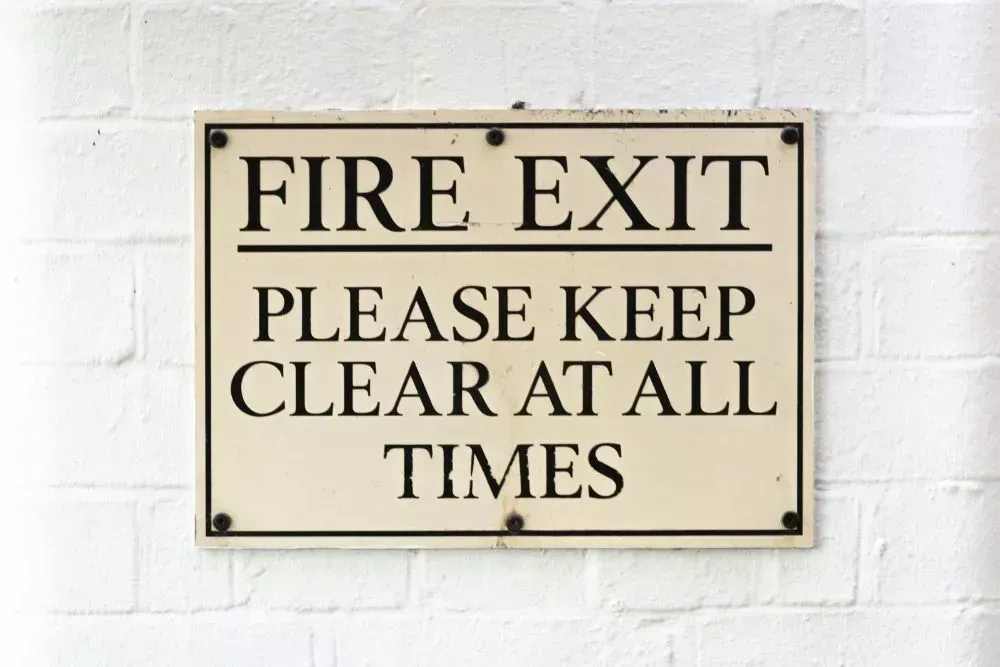
Safety signs are designed to communicate critical safety instructions in a concise, readable manner. Their primary purpose is to keep walkways, doors, and exits unobstructed while alerting personnel to potential hazards. Common phrases include Keep Clear, Please Clear This Walkway, and Fire Exit – Keep Clear.

These signs often appear in manufacturing areas, construction sites, warehouses, and office environments where safety is a priority. Including safety signage at decision points ensures people know where to proceed safely. Additionally, their visibility helps prevent injuries and reduces liability concerns significantly.
Some safety signs also highlight emergency access requirements, ensuring firefighters or paramedics can reach areas quickly. For specialized needs, businesses can explore custom safety signs that maintain high visibility while matching operational environments. Using these signs consistently reinforces safety habits across all team members.
Why Safety Signs Matter for Your Business
Installing safety signs contributes directly to workplace safety and operational efficiency. Employees and visitors can navigate spaces more confidently when hazards are clearly marked. As a result, businesses reduce accident rates while protecting both staff and customers effectively.
Legal compliance is another vital benefit, with OSHA regulations requiring clear, visible signage in designated areas. Non-compliance can lead to fines, penalties, and increased liability exposure. Moreover, businesses that maintain visible safety practices convey professionalism and a strong safety culture.
Employers also experience improved workflow as personnel follow clearly indicated pathways and instructions. For areas with high foot traffic, sign branding can align safety messages with your company identity without compromising readability. Ultimately, safety signs foster a secure environment that benefits everyone.
Legal Requirements & Compliance
OSHA establishes specific requirements for safety signs, including size, color, and placement standards. Compliance ensures employees understand hazards, while violations may result in financial and legal consequences. Businesses must also check state or local regulations to confirm full adherence.
Font size must be large enough to read from a reasonable distance, typically no smaller than three-quarters of an inch for important instructions. Color contrast is essential to distinguish text from backgrounds effectively. Material selection should provide durability and withstand environmental conditions like sunlight or moisture.
Failing to comply with legal standards can increase accident risk and attract regulatory scrutiny. Safety signage should remain functional and unobstructed at all times. Considering compliance early in design prevents costly adjustments later while maintaining a safe environment.
Best Practices for Sign Placement
Proper placement ensures that safety signs effectively communicate safety information to everyone. Eye-level installation maximizes visibility for pedestrians, while elevated signs suit larger equipment areas. Signs should never be blocked by shelving, machinery, or temporary structures.
Decision points like doors, intersections, and stairwells are critical for positioning signs where choices are made. Warning signs near hazards, such as forklifts or chemical storage, alert employees immediately to potential dangers. Adequate lighting guarantees visibility during night shifts or in low-light environments.
Optimal placement includes ensuring paths remain clear and exits are accessible at all times. Combining safety signs with consistent monitoring reinforces safe practices. Strategic positioning reduces accidents while guiding employees through complex or high-risk areas efficiently.

Iterative Solutions for Workflow and Reporting
Planning safety sign integration often involves several considerations to ensure effectiveness. Implementing these measures promotes safety while maintaining regulatory compliance. The following examples illustrate practical applications for businesses of various sizes:
Place safety reminders at every major entrance to enforce hazard awareness.
Keep emergency exits clearly marked with unobstructed access paths at all times.
Install floor markings in high-traffic zones to guide movement safely and consistently.
Use color-coded signs for different hazards to improve immediate recognition.
Incorporate visual cues like arrows and icons to enhance comprehension for all employees.
These methods ensure employees understand their surroundings and maintain safe behaviors consistently. Safety signage must evolve with workplace layout changes and operational adjustments. Regular reviews allow businesses to refine placement, messaging, and visibility effectively.
Custom Safety Sign Options
Businesses can create tailored safety signs to meet operational and branding requirements. Thoughtful customization improves visibility, durability, and alignment with workplace safety standards.
Consider the following Custom Safety Sign Options for your facility:
Custom Sizes: Adjust dimensions to fit tight corridors, loading docks, or expansive warehouse walls without sacrificing readability.
Durable Materials: Select substrates suited for indoor offices, outdoor exposure, or high-traffic industrial environments.
Compliant Color Schemes: Maintain strong contrast and OSHA-aligned color visibility while supporting brand consistency.
Integrated Branding Elements: Add logos or subtle identifiers without distracting from critical safety messaging.
Specialized Finishes: Choose reflective coatings or protective laminates for enhanced longevity and low-light visibility.
Well-designed safety signs strengthen workplace organization while reinforcing safety priorities. Strategic customization ensures compliance remains central while presenting a polished, professional environment.
Protect Your Workplace With Safety Signs
Safety signs are a foundational component of workplace safety, protecting employees, visitors, and operations. Businesses that prioritize visible, accessible signage reduce accidents, demonstrate professionalism, and comply with regulations consistently. Ensuring proper placement, readability, and maintenance makes safety signs an effective long-term investment.
Choosing a trusted signage partner simplifies the process, providing expert guidance on customization, installation, and compliance. Signsmiths of Texas offers extensive experience serving Collin County businesses, ensuring durable, professional, and code-compliant signage solutions. Contact Signsmiths of Texas today for a free consultation and custom safety signage tailored to your business.