Sign Placement Tips for Maximum Street Visibility
A striking storefront display can still go unnoticed if passing drivers cannot see it in time. Good sign visibility starts with a location that gives people enough time to recognize your business. The right exterior mounting spot can make it easier for customers to find you as they approach.
Professional installers look at road angles and traffic patterns before deciding where an outdoor sign should go. Setbacks from the road, nearby buildings, and the direction of traffic all affect what drivers can see. Reviewing these conditions before installation helps your sign reach the people passing by.
Study the Street and Customer Approach for Optimal Sign Visibility
Drivers need a clear view of your business before they reach the entrance. On faster roads, that viewing distance becomes even more important because motorists have less time to notice a sign and decide where to turn. Placing signs near key decision points can make your location easier to identify.
Evaluating your commercial site means looking at how customers actually approach the property:
One-way streets may require signs positioned toward traffic traveling in a single direction.
Corner properties may benefit from signs that remain visible from both intersecting streets.
Main entrance driveways need visible markers so drivers can identify the correct turn.
High-speed thoroughfares may call for signs placed farther from the entrance to give drivers more time to react.
Busy parking lots can benefit from directional signs that help drivers find entrances, exits, and parking areas.
A property evaluation should start from the driver’s point of view on the road. Looking at the actual approach to the property can reveal whether sign visibility will hold up during busy travel periods.

Match Sign Size to Viewing Distance
Sign size should reflect how far away people will be when they first see it. Drivers give traffic signs only 200 to 600 milliseconds of attention, which makes scale an important part of designing signs for moving traffic. When a building sits farther back from the road, larger lettering may be needed to keep the message readable.
Speed also affects how much information a driver can take in. A short message with bold, easy-to-read lettering gives motorists less to process as they pass. Keeping the wording simple can help people recognize the business without trying to read too much at once.
A large setback can create a long viewing distance, but simply making the sign bigger is not always the answer. Oversized letters can still be difficult to read when they are mounted in the wrong location or at an unsuitable height. The right balance of letter size, placement, and viewing distance helps maintain sign visibility.
Protect Sightlines From Obstructions That Block Sign Visibility
Trees, parked vehicles, neighboring buildings, and other changes around a property can gradually interfere with a sign. A 2024 review found that visual clutter increases driver workload when searching for crucial signs. These conditions are worth considering before a sign is fabricated and installed.
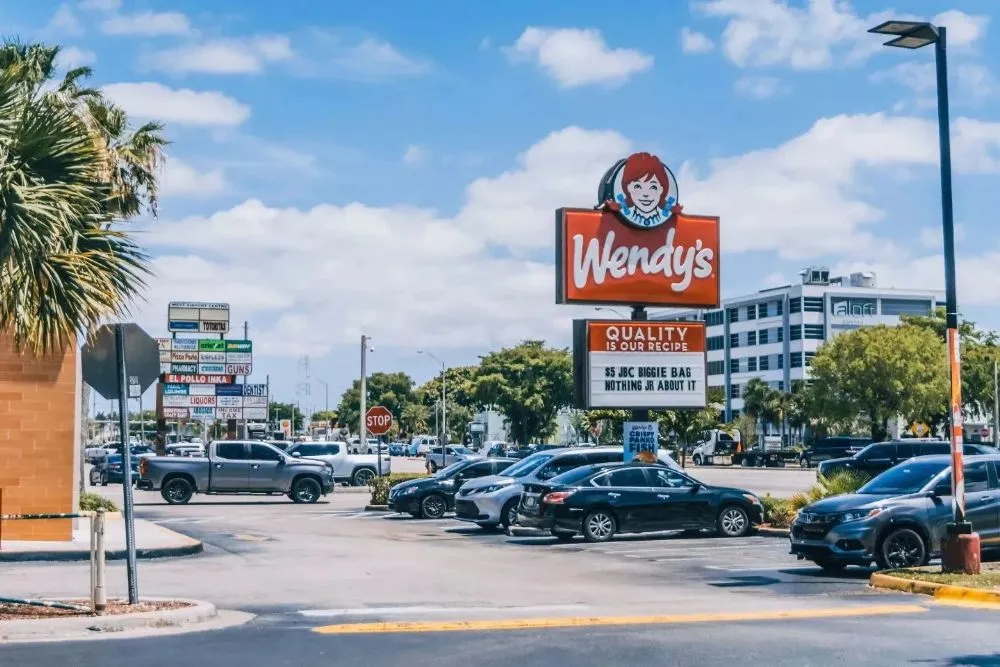
Raising a sign can help keep it above common obstacles such as parked vehicles or delivery trucks. Pylon signs and elevated wall displays can provide useful sightlines depending on the property. Any change in height or placement should still account for local requirements and surrounding properties.
An on-site survey can reveal problems that are easy to miss on a drawing or digital rendering. A dip in the road, an unexpected sightline, or a neighboring structure may change what drivers can see from the street. Reviewing these details ahead of time helps protect sign visibility once the sign is in place.
Consider Nighttime Conditions to Capture Evening Traffic
A sign that works well during the day may look different after sunset. Streetlights, headlights, nearby businesses, and other sources of illumination can affect how easily drivers see your message. The placement and type of lighting should account for the surrounding environment.
Internal illumination can help channel letters remain visible after dark. Exterior illuminated signs can also provide a visible presence after daylight fades. External spotlights need to be positioned so they light the sign without creating distracting glare for drivers. Diffused lighting can provide even illumination while keeping lettering easy to read.
Darkness changes how people judge distance and size, especially on roads with limited lighting. Considering nighttime conditions during the planning stage helps maintain sign visibility after business hours without creating unnecessary light spill. Electrical components should also be positioned with the finished installation and maintenance needs in mind.
Evaluate Mounting Heights and Structural Positioning Options
The right mounting height depends on the property, surrounding structures, and traffic conditions. A ground-level monument sign may work well on a slower suburban road, while a taller sign may be needed where buildings or parked vehicles block lower sightlines. The goal is to find a position that remains visible without looking out of place on the property.
Commercial properties may require various approaches depending on their layout and the surrounding traffic:
Ground-level monument signs can work well along lower-speed suburban commercial roads.
Mid-level pylon installations can help a sign remain visible above parked vehicles and other low obstacles.
High wall mounts can provide longer-distance visibility along multi-lane roads.
Integrated entrance markers can help drivers identify driveways and parking areas.
Double-sided elevated cabinets can reach traffic approaching from either direction.
Before recommending mounting hardware, experienced installers look at the existing wall structure, ground conditions, and other site factors. These details help determine where and how a sign can be installed while maintaining good sign visibility.

How Experts Evaluate Placement for Long-Term Business Impact
A detailed site survey brings several factors together, including approach angles, setbacks, nearby structures, and potential obstructions. From there, signage professionals can recommend a format and placement that fit the property rather than relying on a one-size-fits-all approach. Structural planning also helps the finished sign work with the building and surrounding space.
Local permitting requirements can affect where signs may be installed throughout Dallas-area communities. Addressing those requirements early can prevent changes later in the project. Sign permit and application services can help businesses work through these requirements before installation begins.
A conversation with a signage specialist is another opportunity to work through the details before fabrication begins. Discussing traffic patterns, mounting locations, dimensions, and visibility goals can help identify potential issues early. That guidance gives the project a practical starting point from the initial design through installation, including sign manufacturing and installation.
Maximize Your Commercial Presence With Expert Sign Placement
Strong street exposure starts with understanding how people approach your property. Traffic speed, viewing distance, surrounding structures, and sightlines all play a part in how well a sign performs. Planning these details before fabrication can help protect long-term sign visibility and make the finished display easier for customers to notice.
Signsmiths of Texas uses comprehensive on-site evaluation to help businesses achieve optimal sign visibility. Custom signage projects benefit from discussing the property, mounting requirements, and viewing conditions before production begins. Speak directly with a local specialist today to review your location requirements.