Weather-Resistant Signs: Materials That Last
Outdoor signs have to deal with sun, rain, wind, and temperature changes throughout the year. Durable weather-resistant signs can help business owners avoid frequent repairs and premature replacement. Working with an experienced local signage company also makes it easier to match materials to the conditions your property will face.
Exterior displays spend years exposed to the elements, so the materials used in their construction matter from the start. Strong summer heat and heavy seasonal rain can take a toll on finishes, mounting hardware, and other components. A knowledgeable signage team can help you plan for those conditions before they become costly problems.
What Makes Weather-Resistant Signs Durable?
Long-lasting outdoor signage starts with materials and construction methods matched to the environment. High-performance weather-resistant signs typically combine durable substrates, protective finishes, and secure mounting systems. Materials science guidance shows printed graphics hold up best when adhesives, facestocks, and topcoats match conditions.
Outdoor signs also have to account for the conditions surrounding a building. Rain, humidity, direct sunlight, and temperature swings can affect surfaces in varying ways. For example, a south-facing storefront may receive more direct UV exposure than a wall that stays shaded for much of the day.
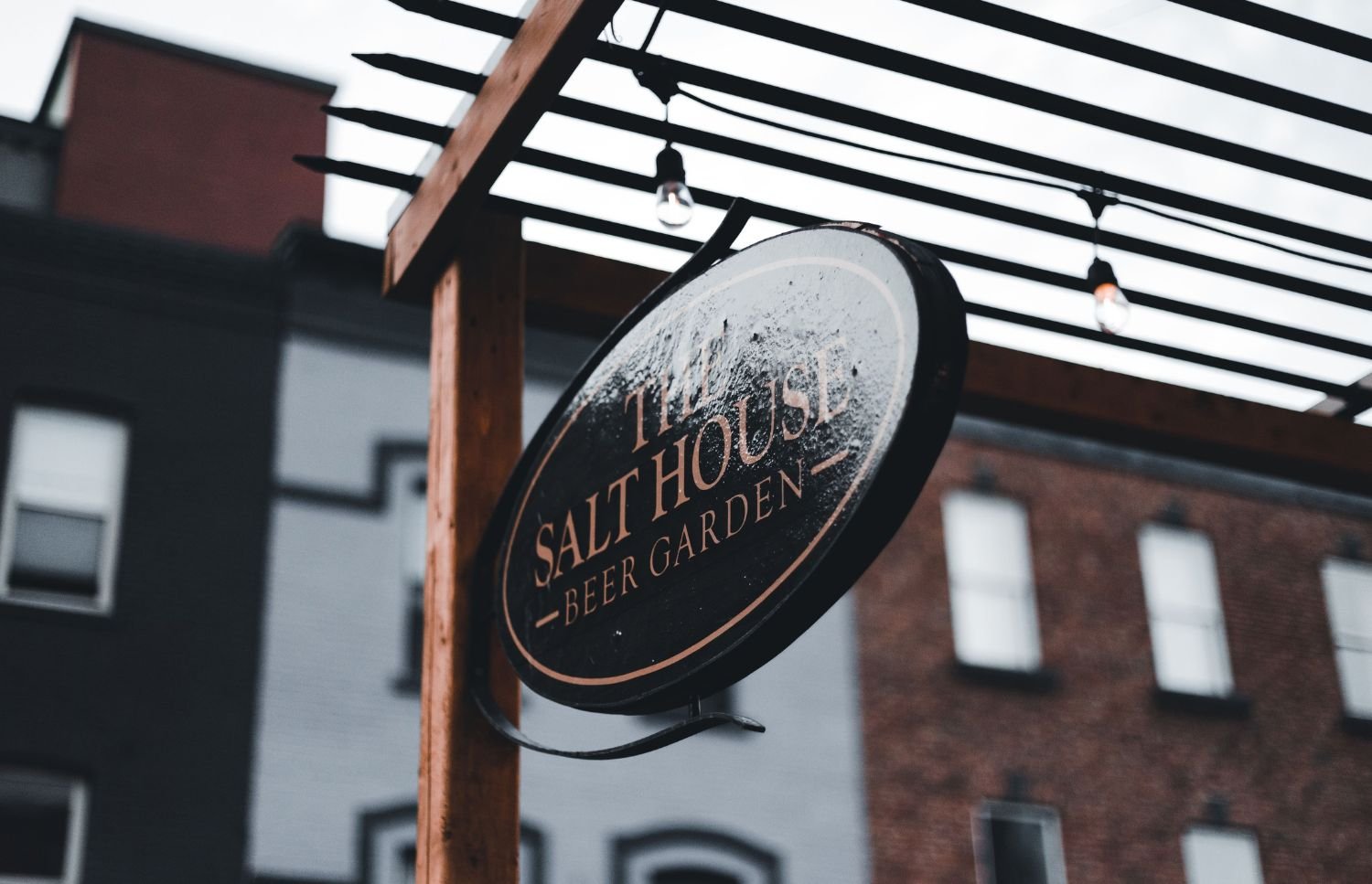
The right display system can make a meaningful difference in how long an exterior sign stays in good condition. Materials specified without regard to the installation environment may lead to avoidable maintenance or replacement costs. Bringing a signage professional into the planning process can help address those concerns before fabrication begins.
Choosing Materials for Outdoor Conditions
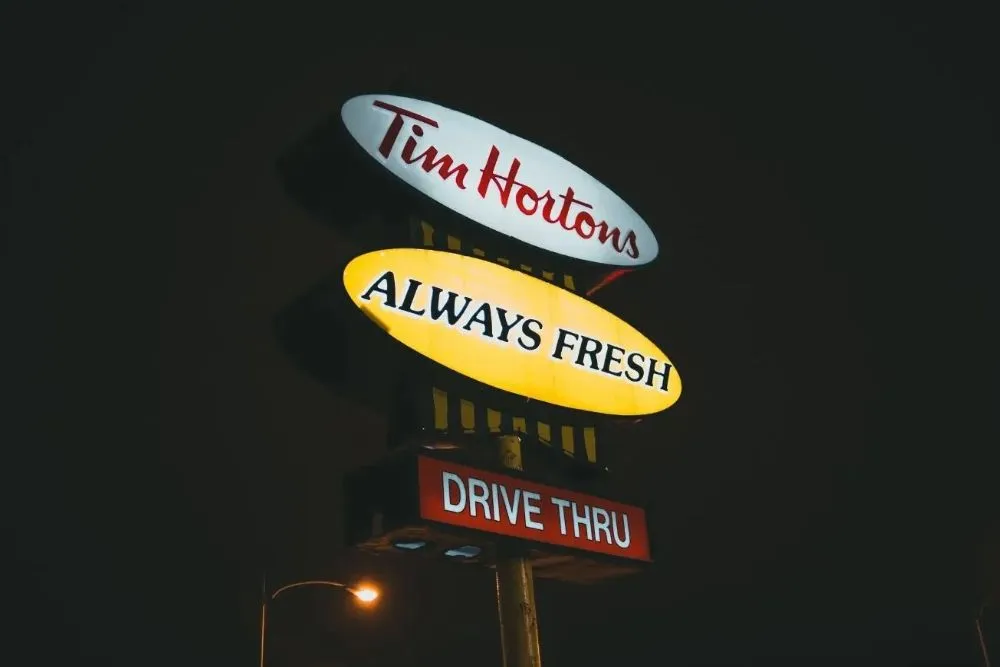
Material selection depends on where the sign will be installed and what you need it to do. Aluminum is well suited to many permanent outdoor applications because it resists corrosion. For businesses that need illuminated visibility after dark, options such as exterior illuminated signs can combine lighting with materials built for outdoor applications.
When comparing materials, consider how each component will hold up in its intended setting:
Solid aluminum provides strong rust resistance for permanent outdoor wall displays.
Acrylic faces offer good visual clarity and light diffusion for illuminated signs.
Premium exterior vinyl helps graphics retain their color through seasonal temperature changes.
Heavy-duty composite backing boards add rigidity where a display needs a stable base.
Protective clear coats can help shield printed graphics from prolonged UV exposure.
Each material serves a particular purpose within the finished display. Combining these components with the installation environment in mind can give weather-resistant signs the durability and appearance needed for long-term outdoor use.
Understanding How Texas Weather Impacts Weather-Resistant Signs
Texas weather can put outdoor signage through some demanding conditions. Strong sunlight exposes exterior pigments and finishes to UV radiation, while premium weather-resistant signs can incorporate UV-resistant materials or coatings to help preserve their appearance. Summer heat also causes many materials to expand and contract, which is something the sign's construction needs to accommodate.
Heavy thunderstorms bring another concern: moisture. If water finds its way into a sign, it can affect electrical components and other internal parts. Proper seals and drainage help direct water away from areas where it could cause problems, especially on lighted commercial signs with internal electrical components.
Wind is another factor worth considering, especially for larger wall-mounted displays. A sign that is not properly secured can place stress on its mounting points during strong gusts. A qualified fabrication and installation team can account for these conditions while ensuring the sign meets applicable local requirements.
Mounting and Structural Considerations for Exterior Displays
A durable sign still needs the right installation to perform as intended. The anchors and mounting methods used for weather-resistant signs should be based on the building's wall material, the sign's weight, and the installation conditions. Corrosion-resistant hardware, such as stainless steel components where appropriate, can also help protect important connections over time.
The building itself matters, too. Wall depth, framing, attachment points, and the size of the display all affect how an exterior sign should be mounted. Larger freestanding displays, including pylon signs, can also require careful attention to their foundation and structural connections.
Addressing these details before installation can prevent problems later. Wind-load requirements and local building codes should be considered as part of the planning process. Working with qualified installation professionals helps ensure the finished sign is properly attached and meets applicable municipal requirements.
Installation and Maintenance Affect Longevity
Even durable materials can have problems when a sign is installed incorrectly. Mounting custom weather-resistant signs requires hardware that fits both the sign and the surface it is being attached to. Experienced installers can identify suitable attachment points and make sure the sign is secured for the conditions at the site. Signsmiths of Texas also provides sign manufacturing and installation as part of its project services.
Once the sign is installed, a little routine care can go a long way:
Proper anchor selection helps keep the sign stable during high-wind conditions.
Routine surface washing removes dirt, dust, and road grime that can build up over time.
Electrical inspections can catch issues with lighting and internal connections before they become larger problems.
Clearing drainage holes helps keep water from collecting inside sign boxes.
Addressing minor hardware or surface issues early can reduce the chance of more extensive storm-related damage.
Regular maintenance does not have to be complicated. Checking the sign, keeping its surfaces clean, and addressing small issues as they appear can help extend its useful life and protect your investment. When wear or damage does occur, professional sign maintenance and repair services can help address the problem before it affects the rest of the display.
How Signsmiths of Texas Builds Weather-Resistant Signs Locally
A good outdoor sign starts with understanding the site where it will live. On-site surveys give the team an opportunity to look at mounting surfaces, access, surrounding structures, and other conditions before production begins. That information helps avoid surprises once installation day arrives.
Signsmiths of Texas handles the project from design and fabrication through permitting, installation, and ongoing service. Its design team can develop exterior displays around the property's needs, while installation crews handle the final placement and mounting. The company also provides consultation and branding to help businesses connect their signage with their broader visual identity.
Serving Wylie, Plano, Garland, Richardson, Allen, Rowlett, and the greater Dallas area gives Signsmiths of Texas experience with the needs of local businesses. If you are planning an exterior sign, contact the team to discuss your project and request an estimate.
Engineering Durable Signage for Long-Term Value
An outdoor sign is a long-term investment, so its materials and mounting system deserve attention before production begins. Matching the construction to the environment can help your weather-resistant signs maintain their appearance and function over time. Good planning also makes it easier to account for maintenance, repairs, and future needs.
Signsmiths of Texas creates durable weather-resistant signs designed around each property's needs. The team handles site evaluation, design, manufacturing, permitting, installation, and maintenance. Call us now to discuss your exterior signage requirements and schedule a consultation.